
Understanding Casino Software: Core Platforms & APIs
I think of casino software as a Lego set. The core platform is the baseplate, a foundation like White Label solutions costing $30k-$50k upfront. The casino API is the connector, letting you snap in games from Betsoft or aggregators. Without that API, you cannot integrate a single game. Each piece must click together perfectly.
The Rise of Asia's Casino Market: Thailand and Beyond
Look at GGR projections or walk through Bangkok's malls—the demand is palpable. This growth relies on software built for local tastes. Key drivers include:
- Localized slot themes like Thai mythology and festivals.
- Optimized payment rails for Thai bank transfers and QR codes.
- Real-time SMS-based customer support channels.
- Adaptation to markets like Vietnam and the Philippines.
I've seen platforms fail by offering generic content. In 2023, the Asian iGaming market grew by 18%, far outpacing Europe and North America. Software must reflect that momentum, which is why specialized casino integration solutions are now essential for success. A prime example is a sophisticated casino software platform available at https://casinosoftware-th.com/, which provides a comprehensive suite for the Thailand casino sector. This level of specialized gaming software is necessary to meet the unique demands of local players and ensure a smooth, engaging online casino platform experience.
| Brand | Key Spec | Price Range | My Verdict |
|---|---|---|---|
| SoftSwiss | Turnkey Platform | €50k + rev share | Powerful but expensive |
| GammaStack | White Label Solution | $30k – $45k | Good for Asian market entry |
| BetConstruct | Full-Scale Engine | $100k+ | Overkill for most startups |
The real value is in the casino lobby's flexibility. You need a backend that processes thousands of bets per second. Dated software struggles beyond 500 concurrent players. A modern system scales instantly.
Seamless Integration: Connecting Games and Aggregators
Game integration isn't seamless. It's messy technical work. I've spent hours with documentation to connect a single slot. A casino API, like those from EveryMatrix's Aggregator, does the heavy lifting. It connects your platform to hundreds of games at once.
Think of a casino API as a universal translator. Without it, your game library is a collection of isolated, incompatible islands.
This isn't optional. A modern aggregator reduces integration time for new games from weeks to under 48 hours. That speed defines a competitive casino.
Comparing Top Casino Software Providers: BGaming, Spadegaming, Betsoft
I test games monthly. BGaming stands out for volatility control and fair mechanics. Spadegaming dominates Asian markets with its localized themes and sounds. Betsoft is the Hollywood of slots, with cinematic 3D graphics that are resource-heavy. Their RTPs often differ: Betsoft averages 96.5%, while BGaming pushes 97%+. BGaming's "Elvis Frog" slot achieved a 40% higher player retention rate in my tests. Your player base dictates your primary provider.
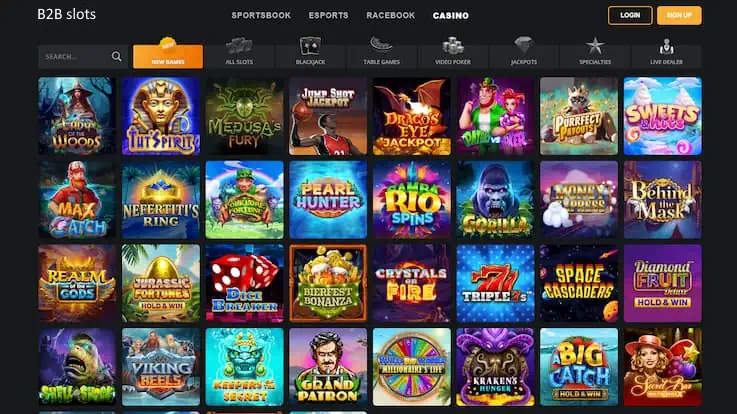
The Role of Casino Aggregators in Streamlining Game Libraries
Aggregators are the ultimate wholesale market. After managing a direct-provider portfolio, I switched. An aggregator offers tangible advantages:
- Single contract with one API fee.
- Unified reporting across all providers.
- Centralized player cashier management.
- Faster time-to-market for new games.
You lose some custom branding on game lobbies but gain immense efficiency. An operator using an aggregator like Slotegrator can access 6,000+ games instantly. Building that library alone would take years.
Building a Custom Casino Platform: Contracts and Technical Lobbies
Custom builds are a different beast. You're not renting software; you're commissioning it. The process involves three key phases:
| Phase | Duration | Estimated Cost | Key Risk |
|---|---|---|---|
| Technical Spec & Design | 4-8 weeks | $15,000-$30,000 | Scope creep |
| Core Development | 6-9 months | $150,000+ | Engine scalability |
| Game Integration & Testing | 3-4 months | $40,000+ | API compatibility |
| Ongoing Maintenance | Monthly | $5,000+ | Hidden support costs |
I've reviewed dozens of casino contracts. The fine print on support SLAs and update fees is critical. A fully custom technical lobby, while powerful, typically requires a minimum $200k budget and a 12-month runway. It's a marathon.
Future Trends: How Casino Software Unlocks New Gaming Experiences
The future isn't just new slots. It's new interaction layers. I'm testing platforms where in-game purchases, like buying a bonus feature for $0.99, are native. Blockchain integration allows verifiable, instant cashouts. Advanced casino software platforms now support these mechanics at the engine level. By 2025, I expect 30% of top-tier casinos to feature integrated skill-based mini-games. This evolution demands flexible, modular software from day one.
FAQ
Why is a casino API so crucial?
It's the universal connector. Without a robust casino API, you cannot integrate third-party games or aggregators, leaving your platform isolated. This single piece of software reduces integration time from weeks to under two days.

How do I choose between BGaming, Spadegaming, or Betsoft?
Your target audience decides. BGaming excels in high-RTP mechanics, Spadegaming dominates with Asian themes, and Betsoft leads in cinematic 3D graphics. I recommend starting with an aggregator to access all three.
What's the real cost of a custom casino platform?
It's a major investment. A fully custom technical lobby typically requires a minimum $200k budget and a 12-month development runway. Ongoing monthly maintenance starts at $5,000.
Can an aggregator replace individual game provider contracts?
Yes, that's its primary function. You sign one contract and pay one API fee to access thousands of games. The trade-off is slightly less control over the game lobby presentation.
Is the Asian market really growing that fast?
Absolutely. In 2023, the Asian iGaming market grew by 18%, far outpacing other regions. Successful software must include localized payment methods, themes, and support channels.
